
1. The Real Cost of Broker Markups in the Addis Ababa Market
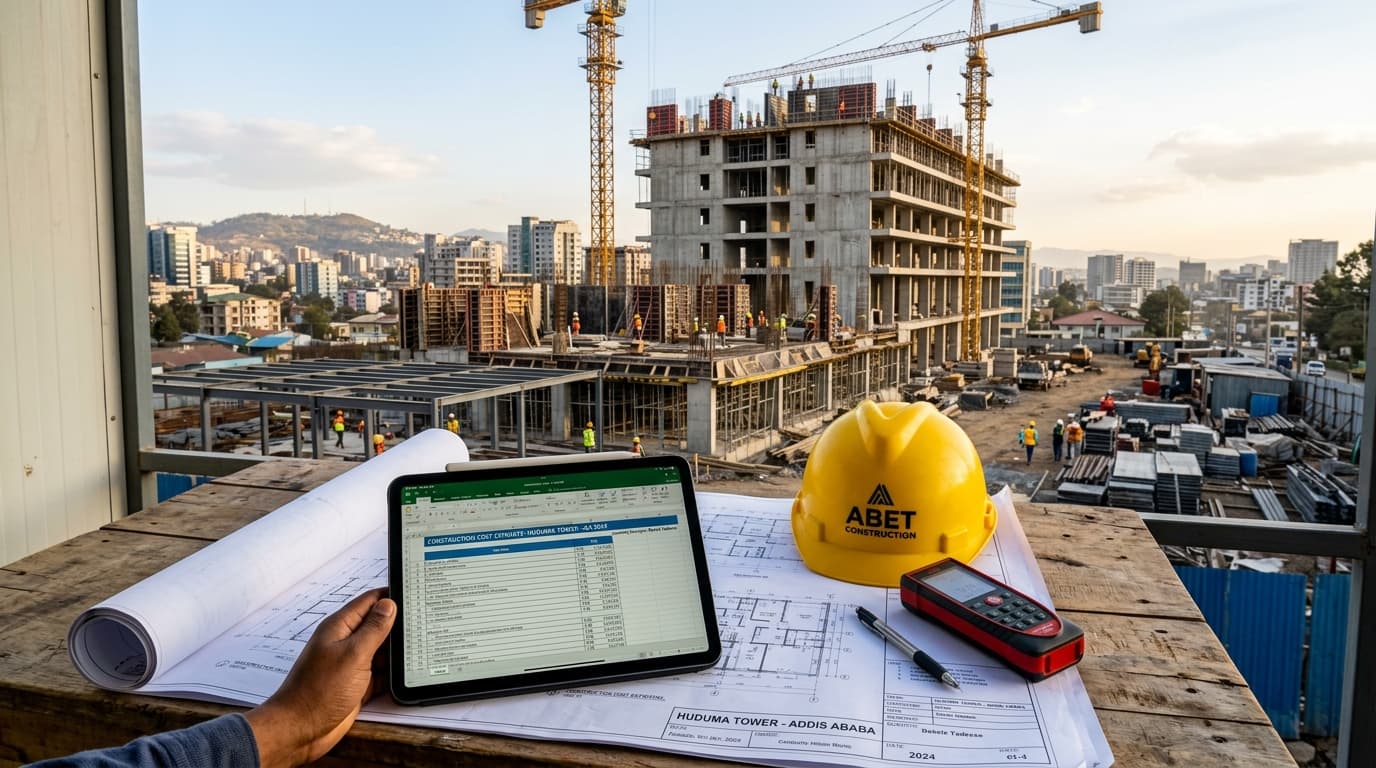
Traditional informal procurement channels rely heavily on unregulated intermediate brokers operating around material supply hubs in Megenagna, Merkato, and Kality. Studies across commercial residential builds indicate that broker intervention inflates base material costs by 15% to 25% through hidden commissions, split haulage markups, and uncalibrated weighbridge manipulation. Direct digital procurement from verified primary distributors eliminates these hidden premiums, guaranteeing transparent mill-direct and importer pricing.
2. Developing a Disciplined Bill of Quantities (BOQ) Variance Tracking Model
Accurate material scheduling begins with rigorous BOQ alignment and phased stage-gate purchasing. Purchasing full project quantities of steel or cement months in advance ties up critical working capital and exposes vulnerable goods to moisture damage and on-site theft. Adopt a just-in-time (JIT) batch delivery framework:
- Batch Steel Delivery by Floor Level: Order reinforcement bars strictly according to the bending schedule for the immediate column and slab pour. Store rebar bundles on timber dunnage sleepers elevated 20cm above bare soil.
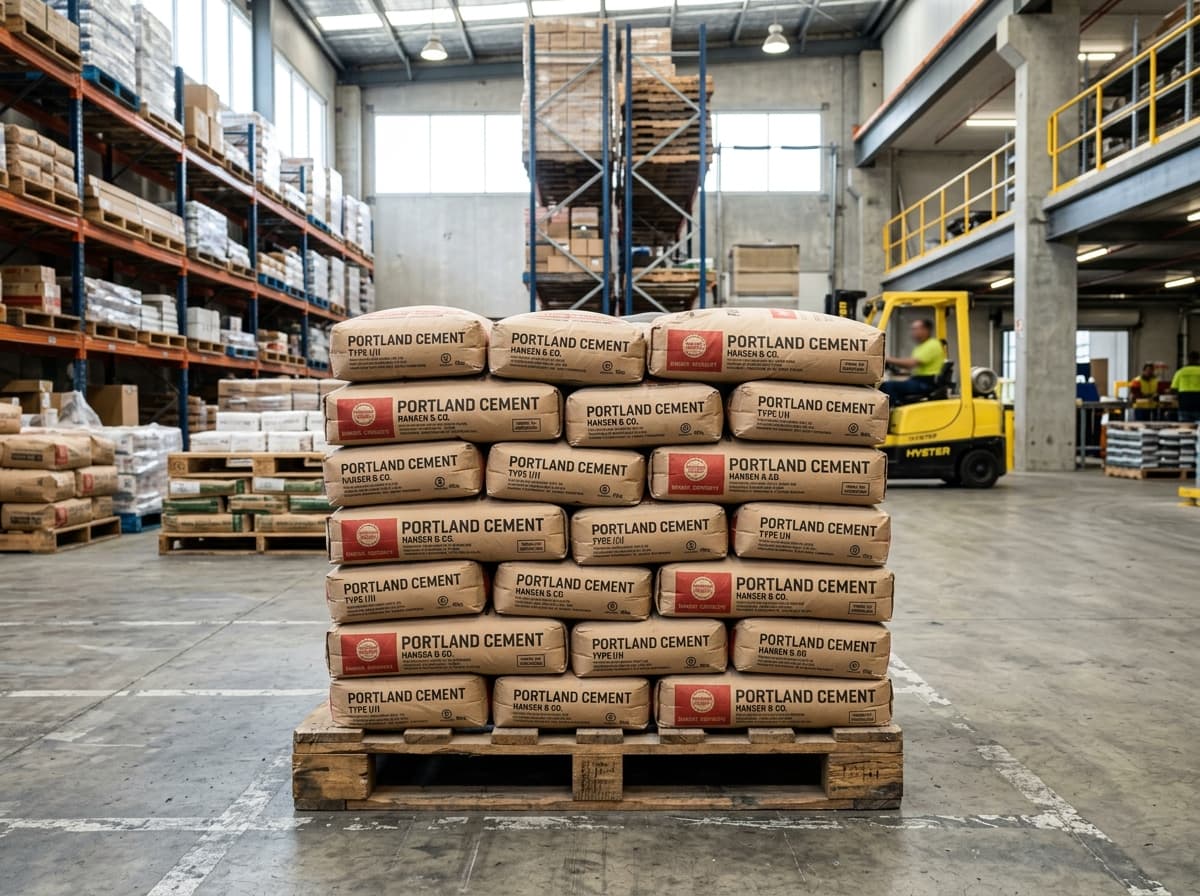
- Cement Storage Integrity: Never store Portland cement on-site for longer than 30 days. Maintain bagged cement inside a sealed, waterproof storage depot with bags stacked on timber pallets away from exterior walls.
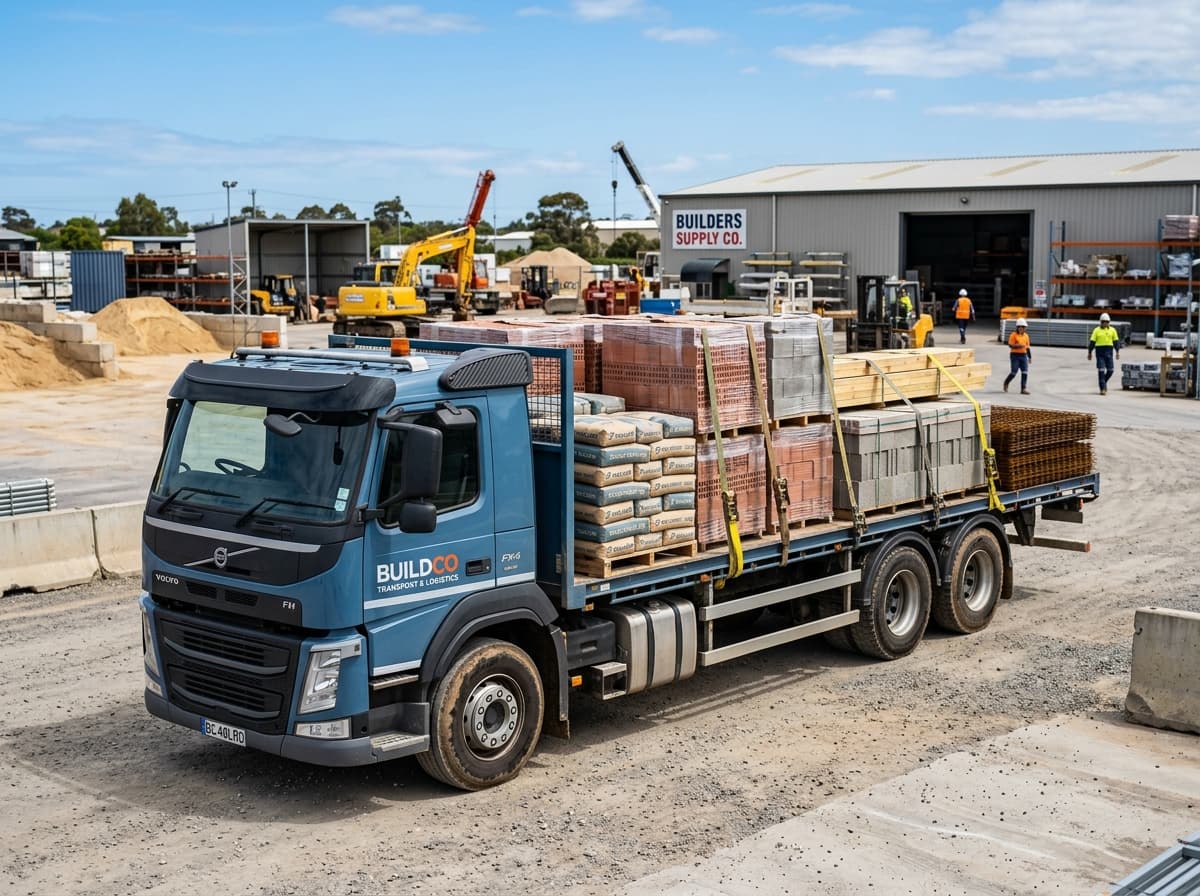
- Aggregates & River Sand Bulk Ordering: Source washed river sand and basalt aggregate 01 directly in 16m³ Sino truck loads to achieve volume transport discounts while minimizing truck turnaround congestion on restricted city access roads.
3. Cash on Delivery (COD) Inspection Protocols: What to Check Before Handing Over Funds
The hallmark of the Addis Depot platform is verified Cash on Delivery (COD), granting buyers absolute sovereignty to inspect material quality, dimensions, and quantities before releasing payment. Establish a strict three-tier physical checklist on site:
| Material Category | Physical Verification Action | Acceptance Criteria |
|---|---|---|
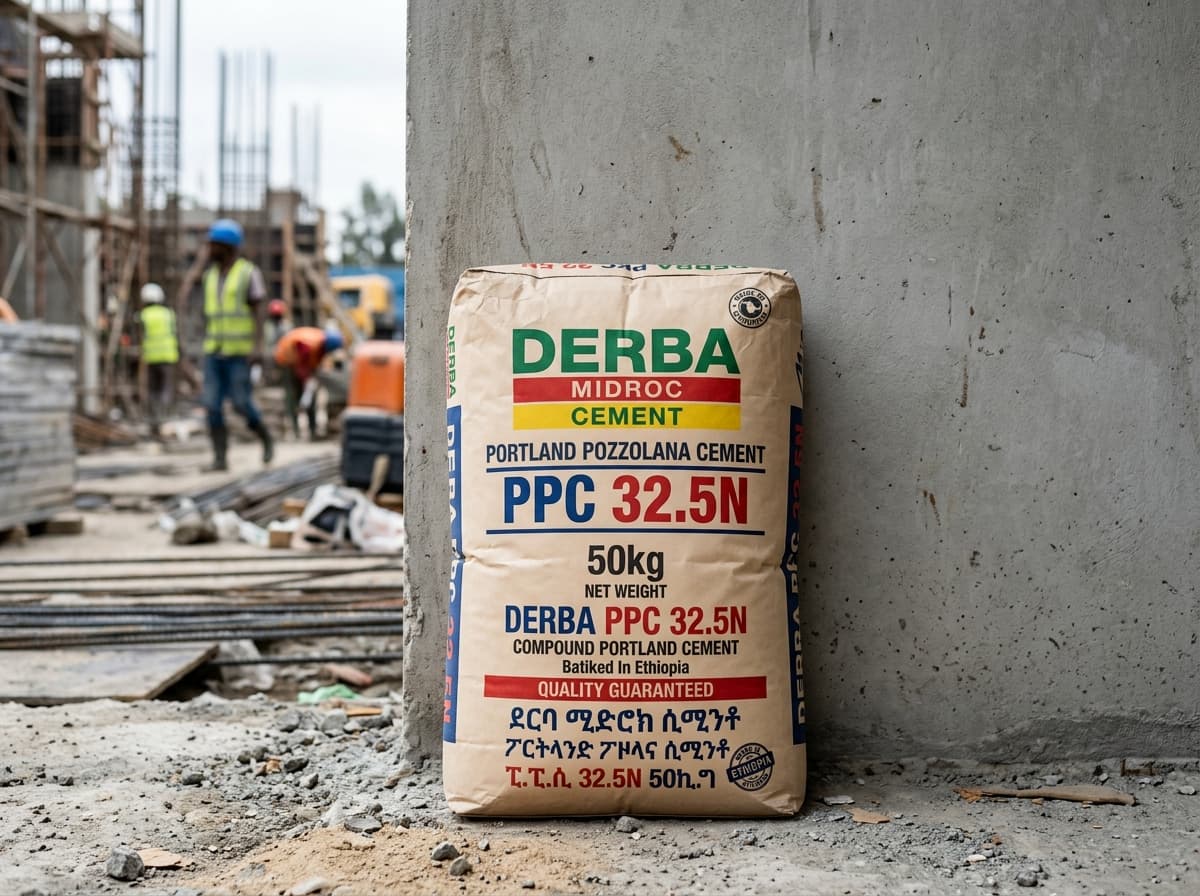
| Bagged Cement (50kg) | Check bag seals, production batch date, and squeeze bag corners | Manufacture date under 45 days, zero internal lumps or hydration setting |
| Deformed Rebar Bundles | Measure bar diameter with vernier caliper and count bar tallies per bundle | Exact piece counts, embossed mill brand and Grade 60 markings visible |
| Washed River Sand | Field jar test for silt and clay content, check color and grittiness | Silt content below 6%, clean gritty silica feel, free from organic vegetation |
| Porcelain Floor Tiles | Inspect 2 open boxes for edge chips, check shade calibration numbers | Matching batch/shade codes on all cartons, zero corner breakage |
4. Managing Price Volatility and Securing Fixed Procurement Contracts
Fluctuations in foreign exchange and fuel tariffs impact finished building material pricing. Smart developers manage exposure by locking in scheduled supply agreements with verified storefronts on Addis Depot. By combining multi-category purchasing under unified platform storefronts, contractors gain preferential credit terms, consolidated logistics delivery, and prioritized dispatch during peak seasonal building windows.
5. Digital Invoicing, Audit Trails, and Tax Compliance
Operating through verified platform suppliers eliminates tax risks and VAT reconciliation disputes with the Ethiopian Ministry of Revenues (MoR). Every delivery is backed by synchronized electronic delivery notes, digital timestamps, and verified commercial invoices that satisfy institutional audit requirements and project financing covenants.
6. Summary: Transforming Construction Procurement into a Strategic Advantage
Modern building construction in Ethiopia no longer tolerates informal handshake deals and unverified quality substitutions. Embrace standardized BOQ scheduling, insist on verified digital marketplace transparency, and enforce strict on-site COD inspection protocols to deliver projects on time and strictly within budget.