1. Macroeconomic Re-alignment and Import Supply Chain Dynamics
Historically, commercial developers in Ethiopia faced chronic letter of credit (LC) approval queues lasting from six to eighteen months at commercial banks. This bottleneck routinely paralyzed the importation of critical finishing materials, structural steel profiles, plumbing hardware, and mechanical plant equipment. The transition to market-determined foreign exchange mechanisms has eliminated shadow-market premiums and restored import predictability:
- Price Stability via Market Transparency: Importers now access foreign exchange directly through commercial banking windows, stabilizing replacement cost calculations and eliminating speculative spot markups.
- Contract Re-benchmarking: Public and private sector standard FIDIC and PPA construction contracts are adopting dynamic material price fluctuation indices to safeguard contractor solvency against international commodity shifts.
- Streamlined Customs Clearances: Modernized digital clearance protocols at the Modjo Dry Port and regional customs terminals have slashed container demurrage dwell times from 42 days to under 14 days.
2. Domestic Cement Manufacturing Expansion and Clinker Self-Sufficiency
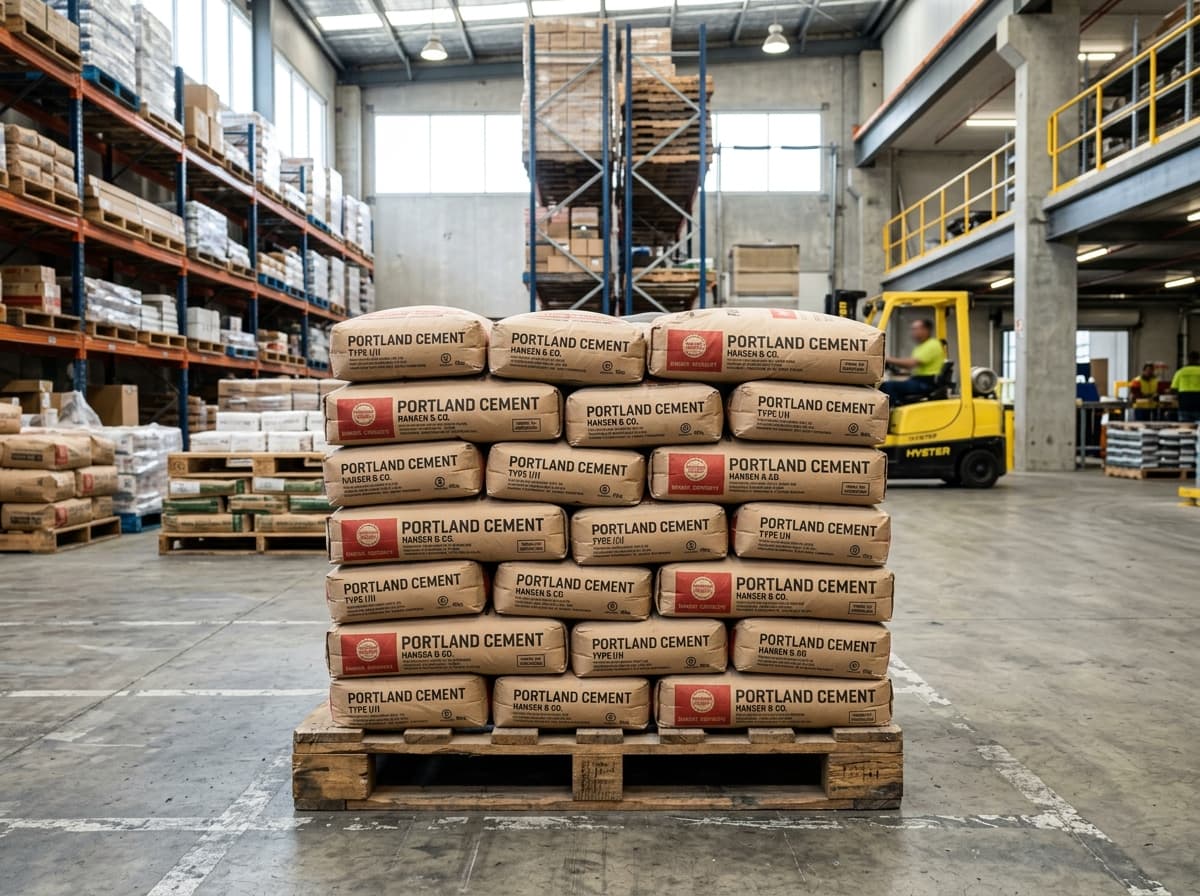
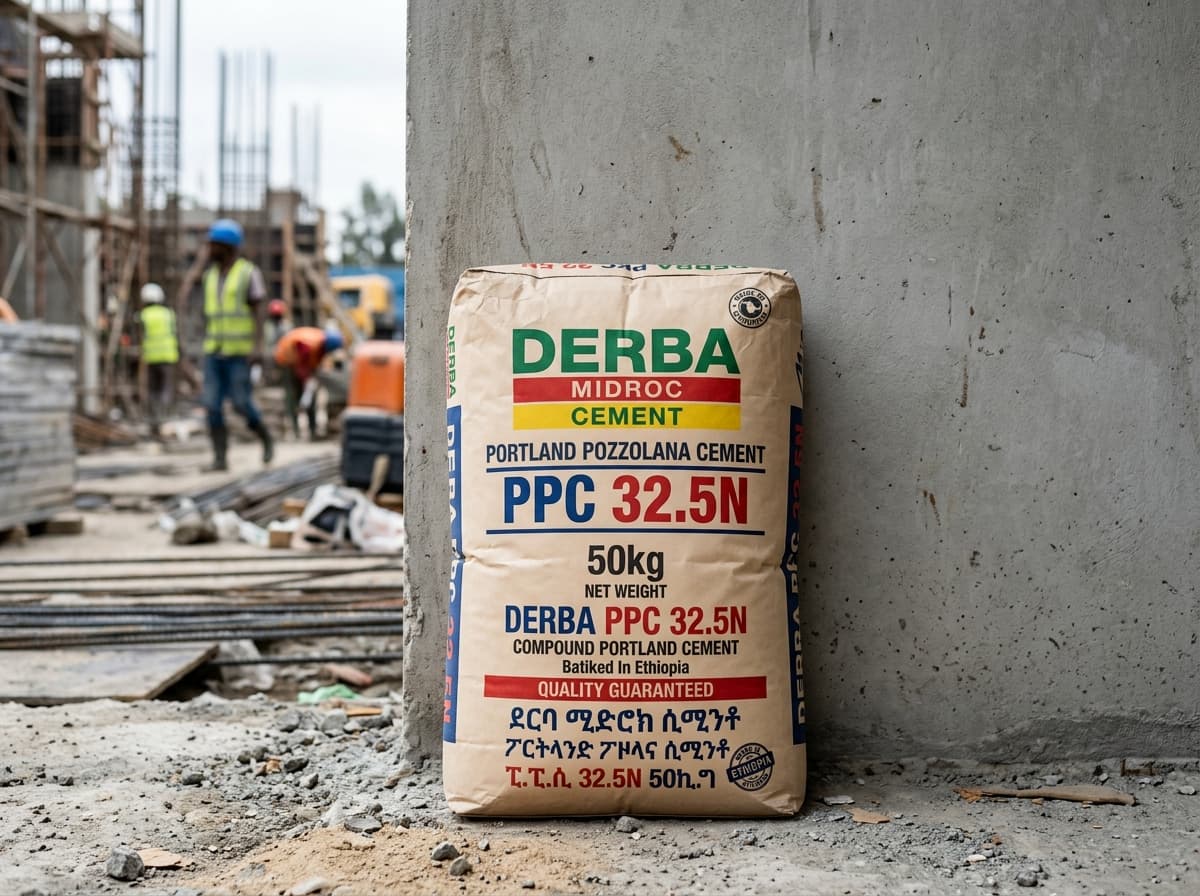
Domestic cement production has undergone a monumental capacity expansion. Major industrial manufacturing conglomerates—including Dangote Cement, Derba MIDROC, Mugher Cement, National Cement, and Habesha—have commissioned upgraded pre-calciner dry-process rotary kilns and alternative fuel processing lines:
| Industrial Indicator | 2023 Historical Baseline | 2026 Current Operating Metric |
|---|---|---|
| National Cement Production Capacity | ~11.5 Million Metric Tons / Year | ≥ 18.2 Million Metric Tons / Year |
| Domestic Clinker Self-Sufficiency Ratio | 68% (Heavy reliance on imported clinker) | ≥ 92% (Domestic limestone exploitation) |
| Retail Bag Price Volatility | High (Seasonal price spikes over 2,200 ETB) | Stabilized (Predictable 1,180 to 1,400 ETB band) |
| Alternative Coal / Biomass Kiln Firing | 22% (Heavy imported petcoke usage) | ≥ 55% (Domestic coal from Oromia & Benishangul) |
3. Infrastructure Catalyst: The Addis Ababa Corridor Development Mega-Project
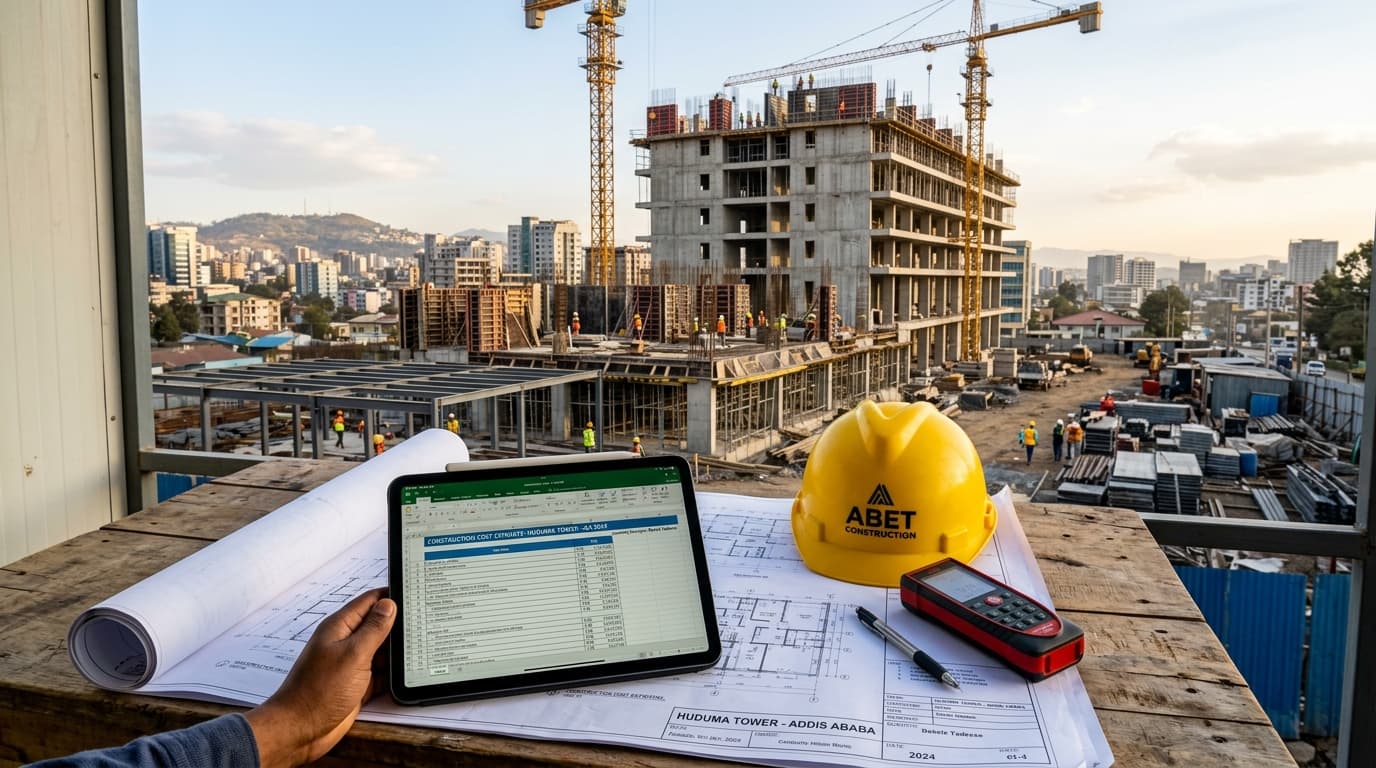
The city-wide Addis Ababa Corridor Development initiative represents one of the most comprehensive urban renewal undertakings on the African continent. By re-engineering arterial boulevards, expanding pedestrian walkways, installing unified underground utility ducts, and revitalizing riverbank buffer zones, the project has stimulated immense private sector real estate capital:
- Underground Utility Ducts: Municipal mandates require new commercial frontages to integrate pre-cast concrete electrical and telecommunication utility ducts, eliminating chaotic road trenching.
- Demand for Precast Cobblestones & Kerbs: Over 4 million square meters of high-density interlocking concrete pavers and precast drainage channels have been deployed across primary transit routes.
- Architectural Facade Upgrades: Commercial building owners along designated corridors are actively retrofitting older facades with modern stone cladding, structural glazing, and architectural nighttime illumination.
4. The Rapid Adoption of Digital B2B Construction Marketplaces
The most consequential structural shift in Ethiopian construction management is the rapid transition from fragmented informal paper procurement to transparent digital platforms. Addis Depot stands at the forefront of this digital revolution, connecting verified Tier-1 manufacturers, certified importers, and fleet logistics operators directly with commercial builders:
- Zero Broker Surcharges: Real-time pricing catalogs allow estimators and quantity surveyors to benchmark true wholesale market prices instantaneously.
- Verified Cash on Delivery (COD): Buyers enjoy total protection by inspecting physical goods, test certificates, and quantities on-site before releasing capital funds.
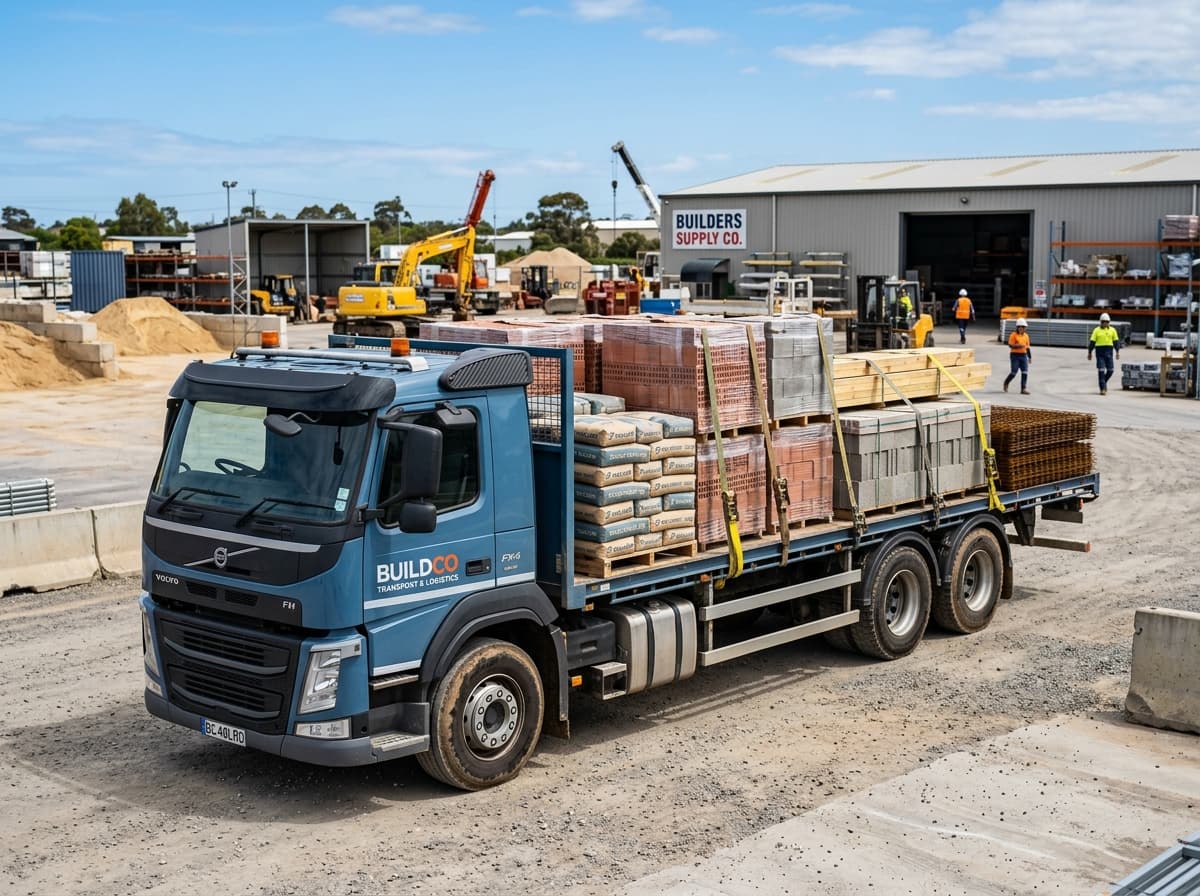
- Unified Multi-Category Logistics: Contractors source cement, rebar, plumbing fixtures, heavy equipment rentals, and timber under consolidated digital orders, slashing logistics coordination overhead by over 40%.
5. Outlook: Navigating Growth in a Maturing Marketplace
The Ethiopian construction sector in 2026 rewards professionalization, strict material testing compliance, and digital efficiency. Stakeholders who discard legacy informal procurement habits in favor of transparent digital marketplaces will capture the immense opportunities created by this historic urban expansion.